




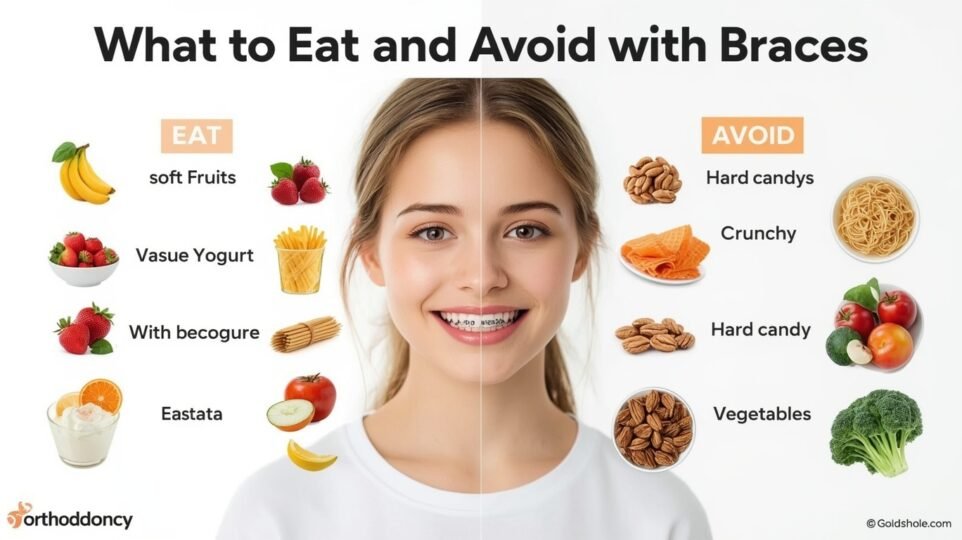
Getting braces is a big step toward a healthier, straighter smile, but it also means making some changes to your eating habits. What you eat can directly affect how well your braces work, how comfortable you feel, and how long your treatment takes. Studies show that diet-related damage is one of the most common reasons for delayed orthodontic treatment, especially during the first few months.
Knowing what foods are safe and which ones to avoid can help protect your braces and keep your teeth healthy throughout treatment.
Why Diet Matters When You Have Braces
Braces apply constant pressure to move teeth into the correct position. During this time, teeth and gums can be sensitive, and brackets or wires can be easily damaged by certain foods. Sticky, hard, or sugary items can loosen brackets, bend wires, or increase the risk of cavities.
A braces-friendly diet reduces discomfort, prevents emergency dental visits, and supports smoother tooth movement.
Best Foods to Eat with Braces
Soft foods are the safest and most comfortable choice, especially after braces are fitted or adjusted. They require minimal chewing and are gentle on teeth and gums.
Foods like cooked vegetables, soft fruits such as bananas and papaya, rice, dal, khichdi, pasta, and well-cooked noodles are excellent daily options. Dairy products like curd, paneer, cheese, and milk provide calcium, which supports tooth strength during orthodontic treatment.
Eggs, soft roti soaked in curry, idli, dosa, and soups are also easy to eat and nutritious. Smoothies made with fruits and yogurt are a good alternative when chewing feels uncomfortable.
Foods That Help with Healing and Strength
Certain foods can actually support oral health while wearing braces. Calcium-rich foods strengthen teeth, while vitamin C-rich fruits help maintain healthy gums. Soft proteins such as tofu, fish, and lentils support tissue repair.
Drinking plenty of water is equally important, as it helps wash away food particles and reduces plaque buildup around brackets.
Foods to Avoid with Braces
Hard foods are one of the biggest risks for braces. Items like nuts, popcorn, hard candies, ice cubes, and raw carrots can break brackets or bend wires. Even a small break can delay treatment and require extra appointments.
Sticky foods are equally problematic. Chewing gum, toffees, caramels, and sticky sweets can get stuck in braces and are difficult to clean, increasing the risk of cavities and gum problems.
Sugary foods and drinks should also be limited. Frequent sugar exposure increases plaque buildup around brackets, which can lead to white spots on teeth once braces are removed.
Can You Eat Normal Food with Braces?
Yes, but with caution. Many foods can still be enjoyed if they are cut into small pieces and chewed carefully. Apples, for example, should be sliced instead of bitten into directly. Meat should be soft and cut into manageable pieces to avoid excessive pressure on brackets.
Being mindful while eating goes a long way in preventing damage.
What to Eat After Braces Are Tightened
It is normal to feel soreness for a few days after braces are adjusted. During this time, stick to very soft foods such as soups, mashed vegetables, curd, smoothies, porridge, and scrambled eggs.
Most patients find that discomfort reduces within a few days, after which they can slowly return to their regular braces-safe diet.
How Poor Food Choices Can Affect Braces Treatment
Ignoring dietary guidelines can lead to broken brackets, prolonged treatment time, increased risk of cavities, and gum inflammation. Orthodontic data shows that patients who follow dietary advice carefully often complete their treatment faster and with fewer complications.
Good food habits also make oral hygiene easier, which is crucial during braces treatment.
Tips to Maintain Oral Health While Wearing Braces
Brushing after every meal, using interdental brushes, and rinsing with water after eating help keep braces clean. Avoid snacking frequently on sugary foods and choose healthier alternatives whenever possible.
At Restore Dental Gurgaon, patients are guided not only on braces care but also on daily habits that support long-term oral health and better orthodontic outcomes.
Final Thoughts
Wearing braces doesn’t mean giving up all your favorite foods, but it does require smarter choices. Eating the right foods protects your braces, reduces discomfort, and helps achieve better results in less time. By avoiding harmful foods and choosing braces-friendly options, you can make your orthodontic journey smoother and more successful.


