

Mouth ulcers
When to get them checked out?
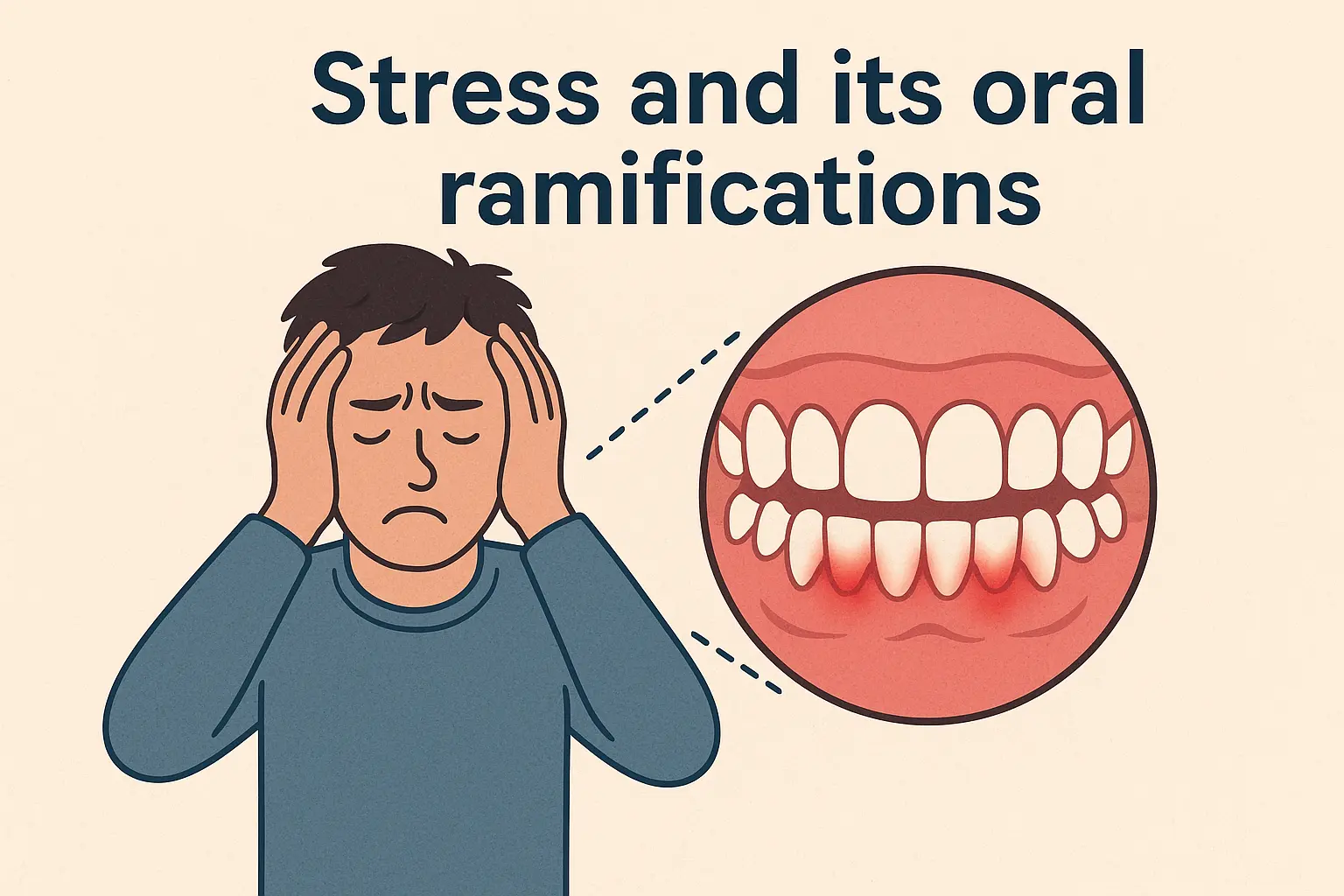
In today’s high-strung lifestyle, stress plays a major role on our health. Stress can contribute to weakened immunity and increased susceptibility to infection.
In the oral cavity, several pathologies have been associated with stress. These include conditions such as periodontal disease, acute necrotizing ulcerative gingivitis, dental caries, recurrent aphthous ulcerations and upper respiratory infections. These may in turn be due to the aggregation of bacteria in saliva.
Ulcers are the one of the first conditions that appear in the mouth when one is stressed.
Some investigators also speculate that anxiety could lead to parafunctional oral habits, including lip and cheek biting and that physical trauma may initiate the ulcerative process in susceptible individuals.
Can mouth Ulcers turn Cancerous?
The appearance of traumatic ulcers can be ambiguous with other oral ulcers, especially OSCC and TUGSE. (Traumatic ulcer granuloma with stromal eosinophilia (TUGSE) and oral squamous cell carcinoma (OSCC).
Visually and clinically traumatic ulcers may mimic squamous cell carcinoma which is a cancerous lesion. Traumatic ulcers should disappear within two weeks of the injury’s factor being eliminated. This duration may be extended, particularly in people with impaired immune systems. Whereas a biopsy and histological examination is necessary for any suspicious lesions or non-healing ulcers.
Persistent inflammatory factors that cause non-healing ulcers have a direct relationship with the development of OSCC.
Where do these Ulcers appear?
Ulcers mimicking oral cancer can develop anywhere in the mouth cavity, pharynx, or salivary glands. The second most frequent oral cancer is tongue cancer, which primarily affects males in their sixth and seventh decades of life. Abuse of alcohol and tobacco products is the main risk factor for this condition. The lateral edge of the tongue’s anterior two-thirds is the location where it is most common.
Chronic inflammation has also been shown to cause significant DNA damage, which has been associated with the development of cancer.
When should you worry?
Due to its capacity to mimic malignancy, this lesion needs special attention. The main approach to managing traumatic ulcers is removing the risk factor. Although regulating oral hygiene and eradicating the source of oral mucosal irritation is essential, all patients should also prioritize early detection of oral lesions. As soon as you develop an ulcer which is taking time to heal, visit a dentist.
Dentists like restoredentalgurgaon and specialists in oral medicine can make a significant difference and perhaps save a patient’s life. Information about oral health care and early detection of mucosal lesions is very important.