services
Digital Dentistry
Digital dentistry refers to the integration of computer-based technologies—including both hardware and software—into dental procedures and workflows. These innovations aim to enhance precision, efficiency, and patient comfort by replacing traditional manual methods with computer-aided tools.
One of the most transformative advancements is digital scanning, which allows dentists to take impressions, perform diagnostics, and plan treatments without relying on conventional mechanical instruments. In dental laboratories, tools such as digital impression scanners and CAD/CAM design software streamline the creation of dental restorations, significantly reducing manual labor and turnaround time.
Why further Cases Are Choosing Digital Dentistry Today
As dental technology continues to evolve, cases are getting decreasingly apprehensive of the benefits that ultramodern, digitized care can offer. From shorter movables to more precise results, digital dentistry is reshaping how people witness dental treatments. rather of counting on aged homemade ways, moment’s advanced tools allow dentists to work with lesser delicacy, comfort, and effectiveness — and cases notice the difference incontinently.
One of the biggest advantages is the shift towardnon-invasive digital prints. numerous people flash back the discomfort of traditional servers and alginate moulds. Digital surveying eliminates that experience fully. In just a many twinkles, your dentist can capture a detailed 3D model of your teeth without any mess or discomfort. This smoother process not only saves time but also leads to better- befitting restorations similar as crowns, aligners, and veneers.
What is meant by digital dentistry?
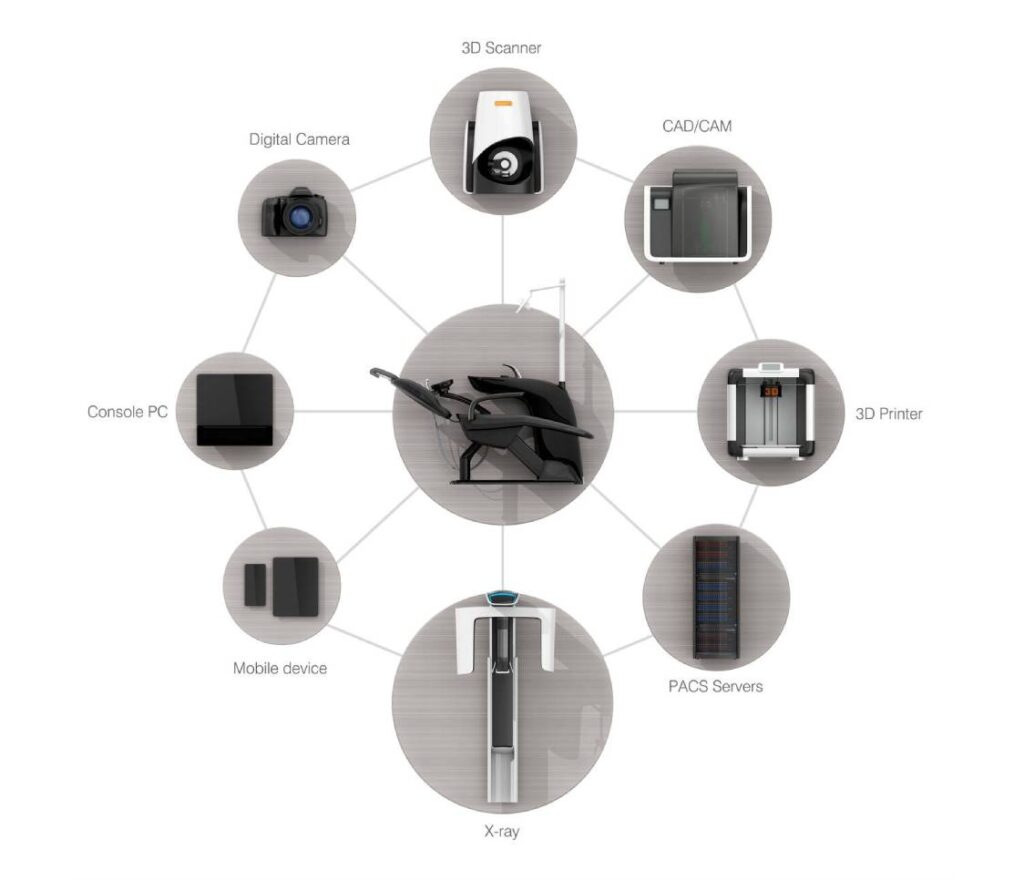
Digital dentistry uses advanced digital technologies to replace traditional tools and techniques, making dental care more accurate, efficient, and patient-friendly.
Key innovations include:
- Digital X-rays: Faster imaging with less radiation than traditional radiographs.
- Laser Cavity Detection: Diode lasers detect decay more accurately than manual explorers.
- CAD/CAM Technology: Allows same-day restorations without physical impressions.
- 3D Digital Impressions: Scans teeth to create precise models, replacing plaster moulds.
- Electronic Prescriptions: Streamlines patient records and improves medication management.
Overall, digital dentistry enhances precision, reduces treatment time, and improves patient comfort.
How Modern Technology Improves Dental issues
Digital dentistry is n’t just about convenience it directly improves clinical results. Tools like CAD/ CAM systems and high- resolution scanning help dentists design restorations with remarkable perfection. That means smaller adaptations, stronger restorations, and issues that feel more natural. For cases, this translates to longer- lasting results and lower time spent in the dental president.
Tech- driven diagnostics also make it easier to catch dental issues beforehand. DigitalX-rays and AI- supported webbing tools can punctuate enterprises that might else go unnoticed. Beforehand discovery leads to simpler treatments, keeping your smile healthier for the long term.
Creating a further Comfortable and individualized Experience
Every case’s smile is unique, and digital tools make it possible to plan treatments that reflect that individuality. Whether you’re considering ornamental advancements, orthodontic treatment, or restorative care, ultramodern software helps your dentist fantasize the final outgrowth before the procedure indeed begins. This brings clarity, confidence, and a more cooperative approach to your dental care.
Cases also appreciate the smoother movables that come with digital workflows. With smaller homemade way, the process is briskly and more predictable. Same- day crowns, precise aligners, and digital smile design are just a many exemplifications of how technology is transubstantiating routine visits into comfortable, streamlined gests .
The Future of Dentistry Is formerly Then
As AI, 3D printing, and advanced imaging continue to grow, dentistry is moving toward a future where treatments are more accurate, minimally invasive, and acclimatized to each case. These inventions not only enhance the quality of dental care but also make it easier for cases to understand and share in their own treatment trip.
Your Smile Deserves the Best!
Get in Touch with Restore Dental
Our team at Restore Dental is here to help! Fill out the form below, and we’ll get back to you as soon as possible. Let’s bring back your healthy, confident smile!
FAQs
1. What is digital dentistry?
Digital dentistry refers to the use of digital or computer-based technologies in dental procedures. This includes tools like digital imaging, computer-aided design and manufacturing (CAD/CAM), and 3D printing to improve diagnosis, treatment planning, and the creation of dental restorations.
2. What are the benefits of digital dentistry?
Digital dentistry offers several advantages, including:
-
Enhanced Precision: Digital tools allow for more accurate impressions and fittings.
-
Improved Efficiency: Procedures can be completed faster, often reducing the number of visits required.
-
Better Patient Comfort: Techniques like digital impressions eliminate the need for traditional molds, making the experience more comfortable.
-
Predictable Outcomes: Advanced imaging and planning tools help in visualizing results before treatment begins.
3. How does digital dentistry improve diagnostics?
Digital imaging technologies, such as digital X-rays and 3D scans, provide detailed and accurate views of dental structures. This aids in early detection of issues and more effective treatment planning.
4. Is digital dentistry safe?
Yes, digital dentistry is safe. Digital X-rays, for example, expose patients to less radiation compared to traditional X-rays, enhancing patient safety.
5. Can digital dentistry be used for all dental procedures?
While digital dentistry has revolutionized many aspects of dental care, its applicability depends on the specific procedure and the technology available at the dental practice. It’s best to consult with your dentist to understand how digital technologies can be utilized in your treatment.
For personalized information and to learn how digital dentistry can benefit your oral health, consider consulting with a dental professional experienced in these technologies.
Digital dentistry refers to the use of digital or computer-based technologies in dental procedures. This includes tools like digital imaging, computer-aided design and manufacturing (CAD/CAM), and 3D printing to improve diagnosis, treatment planning, and the creation of dental restorations.
Digital dentistry offers several advantages, including:
-
Enhanced Precision: Digital tools allow for more accurate impressions and fittings.
-
Improved Efficiency: Procedures can be completed faster, often reducing the number of visits required.
-
Better Patient Comfort: Techniques like digital impressions eliminate the need for traditional molds, making the experience more comfortable.
-
Predictable Outcomes: Advanced imaging and planning tools help in visualizing results before treatment begins.
Digital imaging technologies, such as digital X-rays and 3D scans, provide detailed and accurate views of dental structures. This aids in early detection of issues and more effective treatment planning.
Yes, digital dentistry is safe. Digital X-rays, for example, expose patients to less radiation compared to traditional X-rays, enhancing patient safety.
While digital dentistry has revolutionized many aspects of dental care, its applicability depends on the specific procedure and the technology available at the dental practice. It’s best to consult with your dentist to understand how digital technologies can be utilized in your treatment.
For personalized information and to learn how digital dentistry can benefit your oral health, consider consulting with a dental professional experienced in these technologies.
Discover More – Expert Articles on Digital Dentistry

Revolutionizing Dental Care with Digital
Dentistry
The Digital Era of Dentistry at Restore Dental At Restore Dental, we’re proud to be leading the way in modern dentistry…

Revisiting Cone-Beam CT in Dentistry – A Contemporary Perspective
Cone-beam computed tomography (CBCT) Cone-beam computed tomography (CBCT) has revolutionized dental and…

The Rise of Digital Dental X-Rays – What You Need to Know in 2025
The Rise of Digital Dental X-Rays As dental practices continue to evolve, digital dental radiography has….